PCB Assembly vs Box Build Assembly: What Every Manufacturer Should Know
When choosing an electronic manufacturing partner, understanding PCB Assembly vs Box Build is essential. Although these services work together, they serve different purposes in the manufacturing process. Knowing the differences helps businesses select the right solution, reduce production costs, improve product quality, and shorten time-to-market.
Understanding these differences helps businesses reduce production costs, improve product quality, and shorten time-to-market.
PCB Assembly vs Box Build: What Is PCB Assembly?
PCB Assembly, commonly known as PCBA, is the process of mounting electronic components onto a printed circuit board (PCB).
The process typically includes:
- Surface Mount Technology (SMT)
- Through-hole component insertion
- Automated Optical Inspection (AOI)
- Functional testing
- Quality inspection
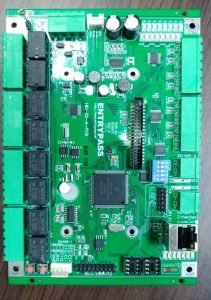
PCB Assembly vs Box Build
A completed PCBA forms the electronic “brain” of your product, but it is not yet a finished device.
Industries that commonly require PCB assembly include:
- Automotive electronics
- Industrial automation
- Building automation
- Security systems
- GPS tracking devices
- Consumer electronics
PCB Assembly vs Box Build: What Is Box Build?
Box Build Assembly, also called system integration, goes beyond PCB assembly.
After the PCB has been assembled and tested, it is integrated into the final product enclosure together with other components such as:
- Metal or plastic enclosures
- Displays
- Wiring harnesses
- Power supplies
- Cooling systems
- Connectors
- Mechanical components
The result is a fully assembled electronic product that is ready for functional testing, packaging, and shipment.
PCB Assembly vs Box Build Assembly
| PCB Assembly | Box Build Assembly |
|---|---|
| Focuses on assembling electronic components onto a PCB | Produces the complete finished electronic product |
| Includes SMT and through-hole assembly | Includes wiring, enclosure assembly, testing, and integration |
| Delivers a functional circuit board | Delivers a market-ready product |
| Usually one stage of manufacturing | Final stage of electronic manufacturing |
PCB Assembly vs Box Build: Benefits of Each Solution
Choosing an Electronic Manufacturing Services (EMS) provider that offers both PCB Assembly and Box Build Assembly provides several advantages.
Improved Quality Control
A single manufacturing partner can maintain consistent quality standards throughout the production process, reducing errors between different suppliers.
Faster Production
Managing PCB assembly and final product integration under one roof minimizes delays and improves production efficiency.
Lower Overall Cost
Working with one supplier reduces logistics costs, simplifies communication, and lowers inventory handling expenses.
Easier Supply Chain Management
Your purchasing, engineering, production, and quality teams only need to coordinate with one experienced manufacturing partner.
How C&C Electronics Supports Your Manufacturing Needs
At C&C Electronics, we provide complete Electronic Manufacturing Services (EMS), including:
- PCB Assembly (PCBA)
- Surface Mount Technology (SMT)
- Through-hole Assembly
- Box Build Assembly
- Product Testing
- Quality Inspection
- Final Product Assembly
Since 1998, we have supported customers across industries including automotive, aerospace, industrial automation, advanced security systems, consumer electronics, and GPS tracking devices with reliable manufacturing solutions.
Conclusion
Both PCB Assembly and Box Build Assembly play essential roles in electronic product manufacturing. While PCB Assembly creates the functional circuit board, Box Build Assembly transforms it into a complete, ready-to-use product.
Partnering with an experienced EMS provider that offers both services helps improve product quality, reduce lead times, and streamline your entire manufacturing process.
Whether you’re developing a prototype or preparing for mass production, selecting the right manufacturing partner can make a significant difference to your project’s success.
Learn more about IPC standards for electronic assemblies from the IPC Association (https://www.ipc.org).